
Set in the picturesque town of Ashland, Virginia, Randolph–Macon College stands as a beacon of academic excellence and Southern heritage. For nearly two centuries, this liberal arts institution has cultivated an environment where tradition and progress intertwine, offering students and visitors alike a glimpse into the rich past and vibrant present that define its campus and identity.
A Storied Beginning: Roots of Randolph–Macon
Founded in 1830, Randolph–Macon College is among the oldest Methodist-affiliated colleges in the United States. Its origins trace back to a small group of visionaries committed to delivering a quality education grounded in the liberal arts.
The college’s name honors two influential figures: John Randolph of Roanoke, a distinguished Virginia statesman, and Nathaniel Macon, a prominent North Carolina politician. Their legacies, celebrated for advocating intellectual freedom and personal integrity, became the core ideals upon which the college was built.
Campus Architecture: Echoes of the Old South
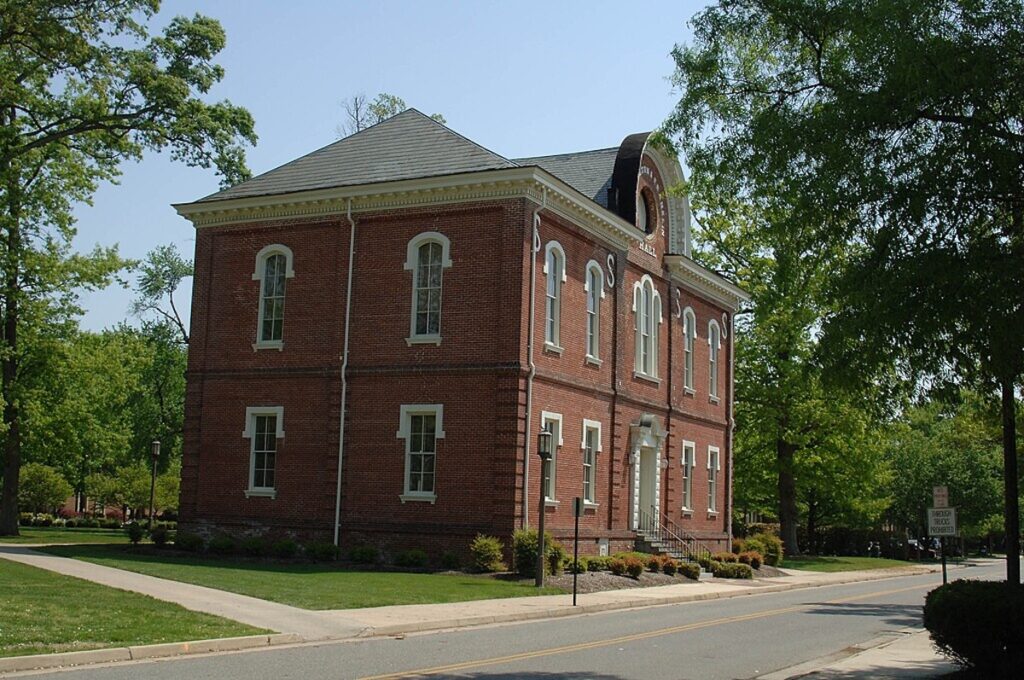
Randolph–Macon’s campus beautifully blends history with modernity. Landmark buildings such as Washington & Franklin Hall, constructed in the mid-19th century, highlight the institution’s architectural heritage. Brick facades, white columns, and gracious lawns evoke an unmistakable Southern charm. Students regularly traverse the historic Brock Commons, a pedestrian pathway lined with mature trees and stately structures, reflecting the college’s commitment to preserving its distinctive environment.
The campus spans over 100 acres, with each corner revealing layers of history. Key sites such as the Old Chapel and Pace-Armistead Hall stand as enduring reminders of past generations. In recent years, the college has invested in updating academic and residential facilities while maintaining the visual integrity of its historic core. This careful balance ensures that Randolph–Macon remains a living museum—one that evolves but never forgets its roots.
Traditions That Inspire Community
Tradition breathes life into Randolph–Macon College, shaping a campus culture both unique and cherished. From the annual Homecoming weekend to cherished rituals like the Ring Ceremony for juniors, these events foster belonging and pride. Students and alumni look forward to “Macon Day,” a spirited celebration featuring campus-wide activities, sports, and musical performances. Such traditions underscore the importance of community—an enduring trait echoed in the college’s motto, “Building Extraordinary Lives.”
Greek life also forms an integral part of the Randolph–Macon experience, with sororities and fraternities dating back to the late 19th century. These organizations not only enrich social life on campus but also support philanthropic endeavors throughout the local community.
Distinctive Identity: Liberal Arts with Purpose
What truly sets Randolph–Macon College apart is its steadfast devotion to the liberal arts. Students are encouraged to explore subjects across disciplines, cultivating curiosity, analytical thinking, and adaptability. The college offers more than 50 majors and minors—from classics and biology to business and film studies—and prides itself on maintaining small class sizes.
Faculty members serve as mentors as well as instructors. Personalized attention and close-knit student-teacher relationships anchor the institution’s academic model, fostering intellectual discovery beyond rote memorization. Academic traditions such as the Honors Program and undergraduate research initiatives empower students to engage deeply with their studies, preparing them for meaningful careers and informed citizenship.
Rooted in Methodist values, Randolph–Macon also promotes character development, ethical leadership, and service. Programs like the Andrews Society encourage students to consider the impact of their work on global and local scales, further anchoring the institution’s identity in service and reflection.
Historic Influence on Modern Campus Life
The legacy of the college’s past infuses every aspect of modern campus life. Historians and archivists regularly unearth campus lore, challenging today’s students to appreciate those who walked the grounds before them.
Randolph–Macon’s enduring relationship with Ashland, a town known for its charming railroad history, reinforces a sense of place and interconnectedness. Community partnerships—from volunteer opportunities to internship placements—ensure that the college’s influence radiates beyond its physical borders.
Preserving this history remains a priority. Initiatives like the Randolph–Macon College Heritage Project document stories, artifacts, and architectural changes for future generations. Guided campus tours regularly spotlight significant landmarks and moments from the college’s long timeline, allowing prospective students and alumni to experience firsthand the narrative that makes Randolph–Macon unique.
Campus Life: Tradition Meets Innovation
Despite its devotion to history, Randolph–Macon College remains firmly attuned to the needs of contemporary students. The institution has recently expanded its athletic facilities, upgraded science labs, and introduced new technology hubs. The Higgins Academic Center offers tutoring and student support, ensuring educational resources remain accessible to all.
A vibrant student government, special interest clubs, and leadership development programs contribute to the fabric of campus life. The college’s emphasis on holistic growth still reflects the founders’ vision: academic achievement paired with civic engagement.
Randolph–Macon’s Lasting Reputation
Randolph–Macon’s alumni network stretches nationwide, populated with leaders in business, education, the arts, and public service. The loyalty among graduates is palpable, frequently expressed through campus reunions, endowments, and mentorship for current students. This legacy of achievement enhances the institution’s reputation and broadens its impact.
Prospective students are drawn to Randolph–Macon by its unique blend of historic charm and academic rigor. Families note the welcoming atmosphere, safe campus, and opportunities for personal growth. Meanwhile, the college’s collaborative programs—such as study abroad partnerships and career development initiatives—ensure that students leave campus equipped to thrive anywhere.
Embracing Tradition for Tomorrow
Randolph–Macon College stands as a living testament to the power of tradition, innovation, and community. Its historic campus is not just a picturesque backdrop but the foundation of an identity dedicated to shaping extraordinary lives. As the college approaches its bicentennial, it reaffirms the values that have sustained it for generations: intellectual discovery, ethical leadership, and a commitment to service.
In an ever-changing world, Randolph–Macon continues to unite its storied past with a transformational present, offering students more than an education—it offers a legacy.