
Nestled just 16 miles north of Richmond, Ashland, Virginia, proudly identifies itself as the “Center of the Universe.” At first glance, the claim might seem exaggerated for a town with a population under 8,000. Yet, this moniker holds a deeper meaning — one rooted in geography, history, and civic pride.
This article explores the origins of Ashland’s famous nickname, examines the values it represents, and provides insight into why the name continues to resonate with residents and visitors alike.
The Origin of the Nickname
The phrase “Center of the Universe” was coined in the 1980s by former mayor Dick Gillis, who humorously declared that Ashland’s small-town charm and tight-knit community made it feel like the world revolved around it. Though originally meant in jest, the nickname quickly took hold. Over the years, it has become a symbol of civic pride and local identity, now embraced by the Town Council, businesses, and tourism campaigns.
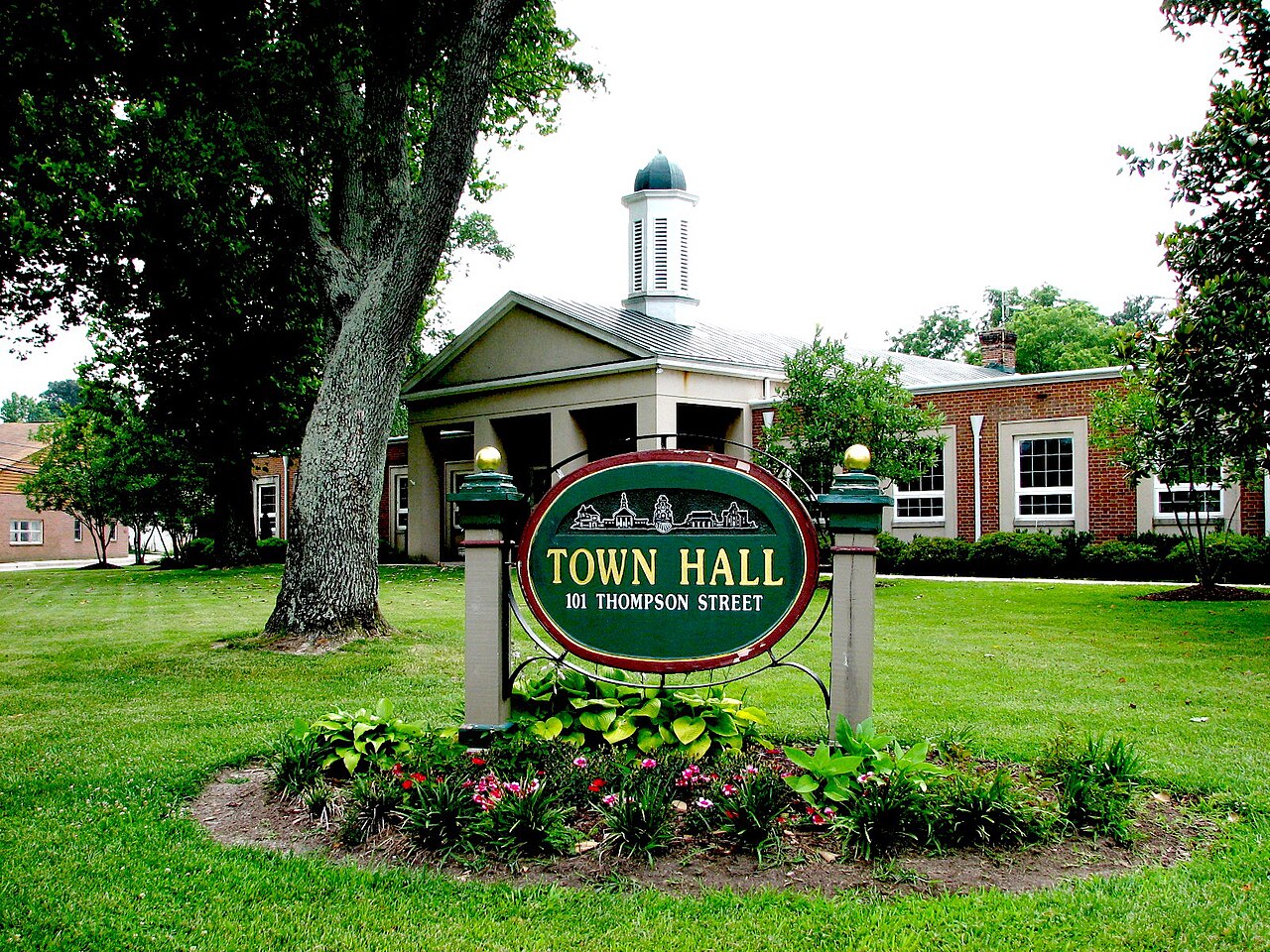

You’ll find it on welcome signs, town merchandise, and even mentioned in planning documents on the official Ashland, VA government site. Far from being just a quirky slogan, the phrase captures the spirit and cohesion that defines this community.
Geographic Centrality — More Than Symbolic
Ashland’s physical location supports its symbolic nickname. Located along both U.S. Route 1 and Interstate 95, the town provides direct access to Richmond, Washington, D.C., and other major East Coast hubs. Its Amtrak rail station, part of the busy Northeast Regional corridor, further positions Ashland as a strategic midpoint for travel and commerce.
According to a study published by the Virginia Department of Rail and Public Transportation, Ashland sits along one of the busiest passenger rail lines in the country. This connectivity enhances the town’s accessibility while reinforcing its central role in regional movement.
A Community Anchored by Randolph–Macon College
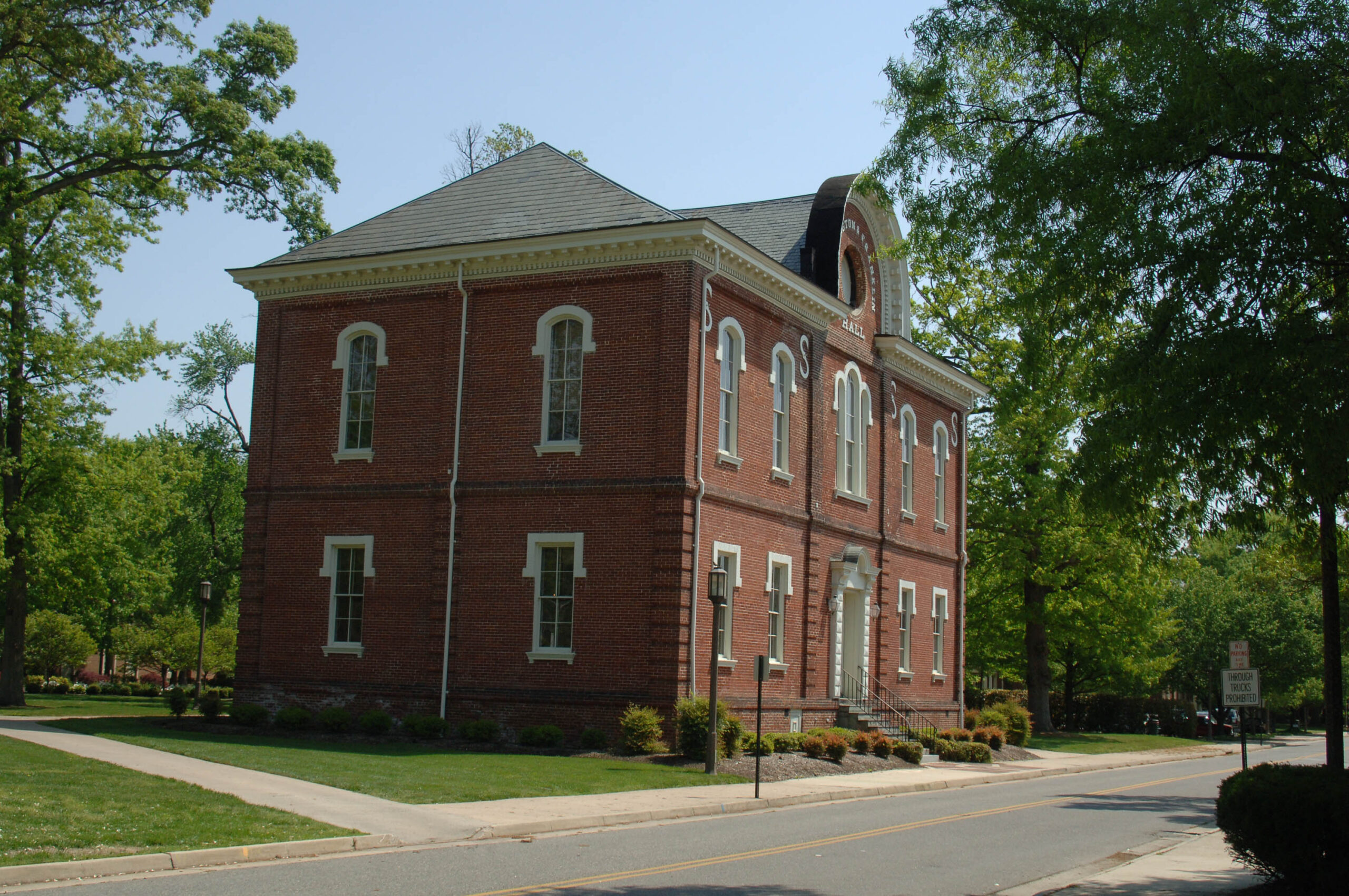
Ashland’s identity is also shaped by the presence of Randolph–Macon College, a liberal arts institution that relocated to the town in 1868. The college is one of the oldest Methodist-affiliated colleges in the United States and plays a vital role in the town’s cultural, academic, and economic landscape.
Data from the American Council on Education suggest that small college towns like Ashland often demonstrate stronger civic engagement, higher levels of volunteerism, and vibrant local economies — all qualities that align with the “Center of the Universe” mindset. The college also provides employment, educational opportunities, and regular cultural events that strengthen the town’s sense of community
A Town Built Around Trains and Tradition
The town’s layout is uniquely defined by two active CSX railroad tracks that run straight through downtown. Rather than hindering development, the tracks have become a defining feature. Residents and visitors often enjoy watching Amtrak and freight trains pass within a few feet of historic homes and storefronts. This proximity has become a point of pride — and a source of tourist interest.

According to the Town of Ashland’s Community Development Plan, maintaining the character of downtown while ensuring rail safety is a key priority. Current studies are evaluating the improvement of railroad crossings to enhance both safety and ambiance — underscoring how central the rail system is to the town’s planning and identity.
Embracing the Identity: Festivals, Arts, and Local Business
Ashland doesn’t just tolerate its nickname — it celebrates it. Each year, events like Ashland Train Day, Strawberry Faire, and the Ashland Musical Variety Show reinforce a strong sense of place and participation. These festivals attract thousands of visitors, generate local revenue, and promote small businesses.
Most recently, Ashland introduced the Arts & Antiques Passport Program, a local economic initiative encouraging residents and visitors to explore the town’s vibrant art galleries, antique stores, and specialty shops. This type of community-first economic development reflects Ashland’s ongoing commitment to local growth through identity-driven engagement.
According to the U.S. Small Business Administration (SBA), small towns that embrace tourism based on cultural identity tend to have stronger and more resilient local economies. Ashland exemplifies this principle.
Looking Ahead: Growth with Purpose
As Ashland continues to grow, it faces the same challenges as many small towns — balancing development with preservation. Current proposals to expand rail infrastructure through Ashland have sparked both support and concern, particularly regarding their impact on the downtown area’s aesthetic and safety.
Still, the town’s leadership, in partnership with residents and local organizations, remains committed to maintaining the elements that make Ashland feel like the “Center.” Through inclusive planning, smart zoning, and continuous investment in local culture, Ashland appears poised to carry its nickname into the future with pride.
Ashland, Virginia’s nickname as the “Center of the Universe” may have begun as a lighthearted joke, but today it reflects the town’s unique blend of charm, connection, and centrality. From its college community and railroad heritage to its walkable downtown and vibrant local economy, Ashland has cultivated an identity that is both authentic and enduring.