
Understanding building codes is essential for protecting your home’s structure, durability, and long-term value. One of the most critical standards governing residential construction is IRC R703: Exterior Wall Covering, a section of the International Residential Code (IRC) that establishes requirements for siding, cladding, moisture protection, and weather resistance.
For homeowners in Ashland, Virginia and surrounding Hanover County communities, compliance with IRC R703 is not optional—it directly impacts inspection approvals, insurance eligibility, resale value, and long-term performance of your exterior systems.
This guide explains what IRC R703 covers, why it matters, and how working with a qualified local contractor like Horizon Exteriors ensures your home meets both Virginia Residential Code requirements and best-practice construction standards.
What Is IRC R703?
IRC R703 is the section of the International Residential Code (published by the International Code Council) that regulates exterior wall coverings for one- and two-family dwellings and townhouses. Its primary purpose is to ensure that exterior walls:
- Prevent water intrusion
- Allow proper drainage and drying
- Resist wind-driven rain
- Protect structural components from decay
Virginia adopts the IRC through the Uniform Statewide Building Code (USBC), meaning IRC R703 requirements apply to most residential construction and renovation projects across the state, including siding replacement, re-cladding, and exterior renovations.
According to the International Code Council (ICC.org), improper wall assemblies remain one of the leading causes of moisture-related structural failure in residential buildings.
Why IRC R703 Matters for Virginia Homes
Virginia’s climate presents unique challenges. High humidity levels, seasonal freeze-thaw cycles, and frequent storm events increase the risk of water intrusion, mold growth, and wood rot. IRC R703 addresses these risks by requiring proven moisture-management strategies.
Research from the U.S. Department of Housing and Urban Development (HUD.gov) shows that moisture intrusion accounts for a significant percentage of residential construction defects, often leading to costly repairs when exterior wall systems are improperly installed.
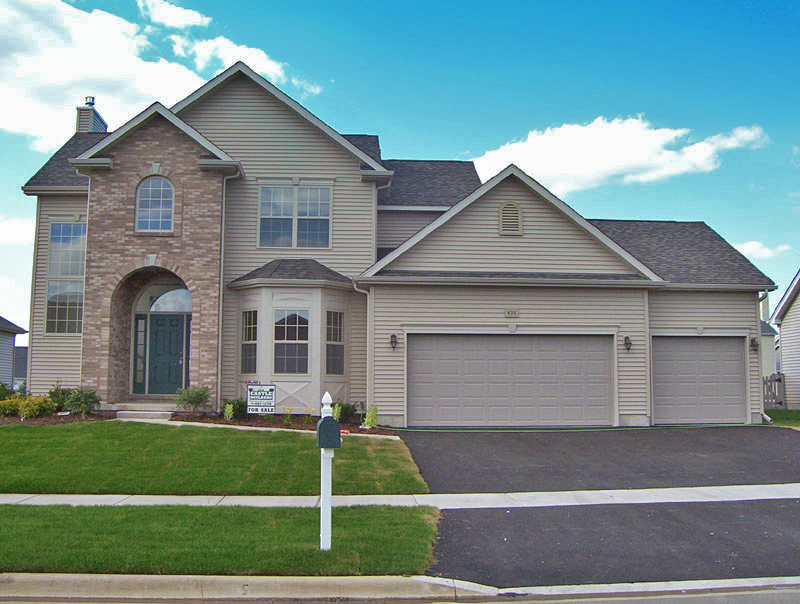

By following IRC R703, homeowners gain:
- Increased durability and lifespan of siding materials
- Reduced risk of hidden structural damage
- Improved indoor air quality
- Stronger resale appeal and inspection outcomes
Key Requirements Under IRC R703
Weather-Resistant Barriers (WRB)
IRC R703 mandates a weather-resistant barrier behind exterior wall coverings. This layer—often house wrap or building paper—acts as a secondary defense against water intrusion.
According to Building Science Corporation (buildingscience.com), a properly installed WRB significantly reduces moisture accumulation inside wall cavities, especially in humid climates like Central Virginia.
Water-Resistive Flashing
Flashing is required at:
- Window and door openings
- Wall penetrations
- Roof-to-wall intersections
- Deck and ledger connections
The Federal Emergency Management Agency (FEMA.gov) emphasizes that improper flashing is one of the most common causes of residential water damage following severe weather events.
Approved Exterior Wall Coverings
IRC R703 outlines performance and installation standards for common cladding materials, including:
- Vinyl siding
- Fiber cement siding
- Wood siding and engineered wood
- Brick veneer
- Stucco and EIFS
Each material must be installed according to manufacturer specifications and code-approved fastening, spacing, and clearance requirements.
Drainage and Drying Provisions
Modern code updates increasingly emphasize drainage planes and air gaps behind cladding systems. These features allow incidental moisture to escape rather than become trapped.
Studies from Oak Ridge National Laboratory (energy.gov) demonstrate that drained wall assemblies significantly outperform traditional tight assemblies in moisture control and long-term durability.
IRC R703 and Siding Replacement Projects
Many homeowners assume building codes apply only to new construction. In reality, siding replacement and exterior renovations often trigger code compliance requirements—especially when structural components or sheathing are exposed.
In Virginia, local building officials may require:
- WRB upgrades
- Flashing corrections
- Fastener compliance
- Clearance adjustments near grade or roofing
Working with an experienced contractor ensures upgrades meet code without unnecessary delays or rework.
Local Code Enforcement in Ashland and Hanover County
While IRC R703 provides the framework, enforcement occurs at the local level. In Ashland and Hanover County, inspectors evaluate exterior wall systems for compliance with the Virginia Residential Code, which incorporates IRC provisions with state-specific amendments.
Contractors unfamiliar with local inspection practices risk failed inspections, project delays, and additional costs. A locally based contractor brings valuable familiarity with regional requirements.
How Professional Installation Protects Your Investment
Code compliance is not just about passing inspection—it directly impacts the performance of your home. Poorly installed siding systems can trap moisture, compromise insulation, and shorten material lifespan.
According to the National Institute of Building Sciences (nibs.org), proper envelope construction is one of the most effective ways to reduce lifecycle maintenance costs and improve energy efficiency.
Why Horizon Exteriors Is the Right Partner for IRC R703 Compliance
Horizon Exteriors brings deep expertise in exterior siding systems, roofing integration, flashing, and moisture control, all aligned with IRC R703 standards. Based in Ashland, VA, the company understands local code enforcement, climate demands, and inspection expectations across Central Virginia communities.
From vinyl siding and fiber cement installations to pre-sale renovations and exterior upgrades, every project is executed with code compliance, durability, and curb appeal in mind.
Schedule a Code-Compliant Exterior Consultation in Ashland, VA
If you are planning a siding replacement, exterior renovation, or home sale in Ashland, Hanover County, or surrounding Central Virginia areas, now is the time to ensure your exterior wall system meets IRC R703 requirements.
Horizon Exteriors provides code-compliant siding, roofing, and exterior solutions tailored to Virginia homes. Our team ensures your exterior walls are properly protected, inspected, and built to last.
Protect your home, pass inspections with confidence, and improve curb appeal. Visit our local team today at: https://horizonexteriorsva.com/contact-us/